Is It Possible to Reduce Your Payments with a Debt Consolidation Loan?
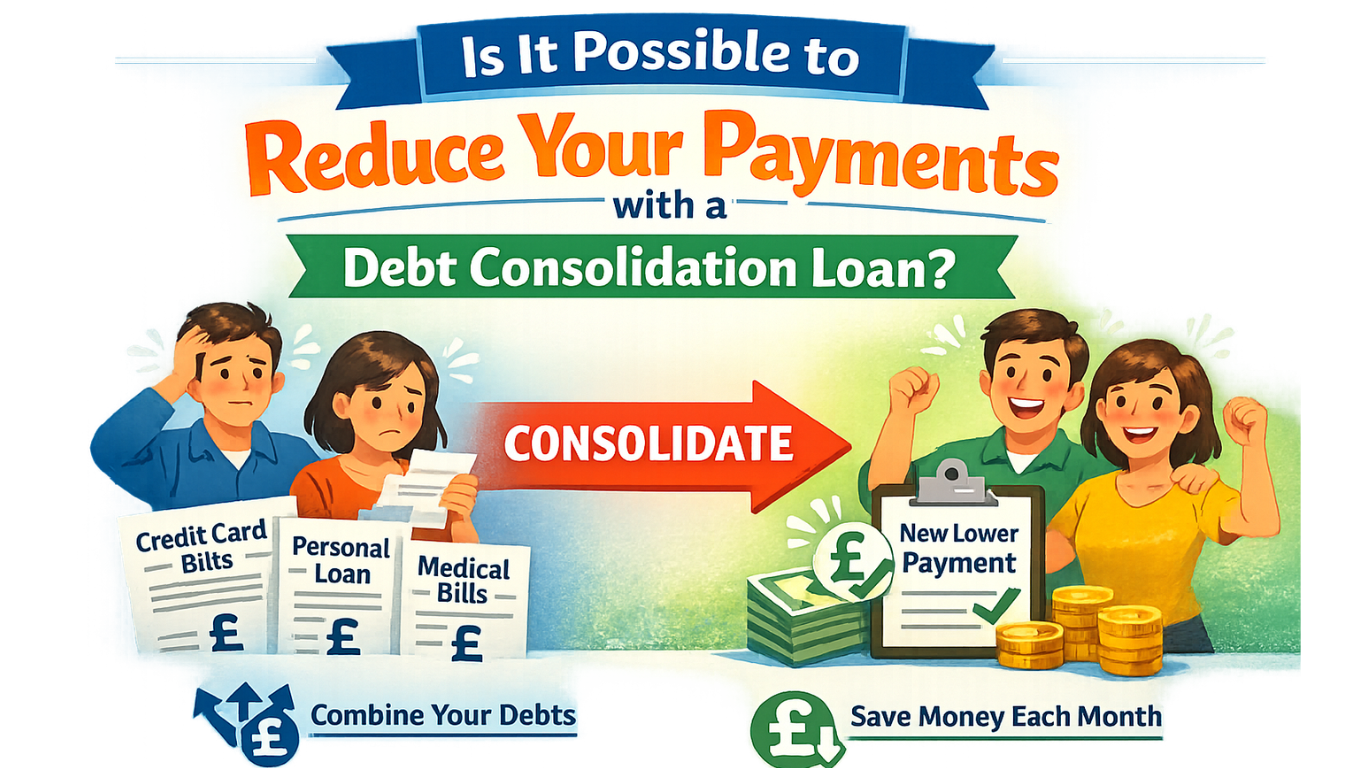
You may wonder if taking on multiple debts will result in lower monthly expenses. This option replaces all of your existing loans with a single loan. For many people, a single payment fits their budget better. Your payment method varies, but your total debt remains constant. Everything changes with the new loan terms.
This move frequently benefits those who have a large number of high-interest loans. Your history of late payments might put off some lenders. Those with high credit scores get the best offers. Many discover that the right deal helps even with fair credit. Nowadays, the majority of direct lenders consider your entire financial history.
How Do Loans for Debt Consolidation Operate?
The basic concept is to consolidate all of your small debts into a single large loan. All of your previous loans are paid off at once by your new lender. Your old debt bills are immediately paid with the money you receive. Your numerous high-rate bills are combined into a single bill with a single rate. For most people, this change may result in a monthly pay decrease.
These days, the majority of online lenders complete this step considerably more quickly. Your loan amount will be equal to the sum of all of your debts plus fees. The length of the term has a significant impact on your cost. Longer terms result in lower monthly costs over time.
- Before searching, find out how much debt you have
- Verify all of your previous loans’ early pay fees
- Your new rate ought to be lower than what you currently pay
- Most lenders require evidence of consistent employment or cash flow
- To keep your expenses transparent, look for fixed rates
Your Loan Terms and Credit Score
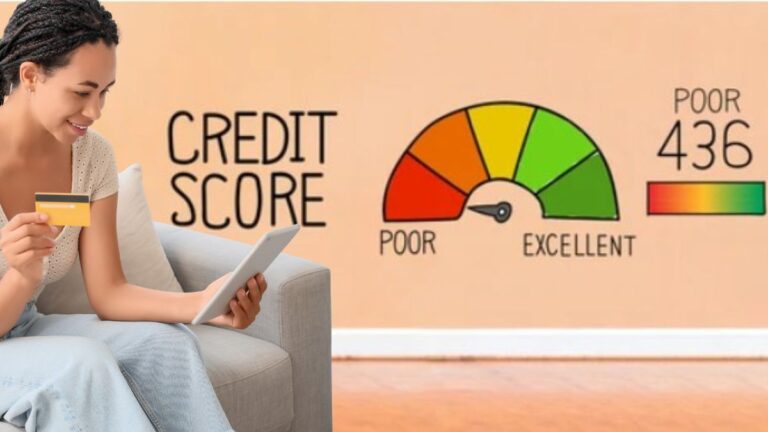
The offers you receive are influenced by how lenders perceive your credit score. Most firms trust you because of your previous on-time payments. The best rates are typically obtained by those with scores higher than 700. Every decrease in score could result in a rate increase. The majority of lenders base their loan terms on risk calculations.
- Better terms and lower rates are frequently associated with higher scores
- Your loan options may be limited by your previous late bills
- The rate difference widens below a credit score of 600
- For initial quotes, the majority of direct lenders perform soft checks
Term Length and Amount of Payment
Your monthly bill is influenced by how long it takes you to repay. The monthly cost of your five-year loan is lower than that of your three-year loan. The majority of people use this trade show to meet their cash flow requirements. The fundamental truth remains that longer terms translate into higher overall costs. Your decision now will have an impact for years to come.
- Shorter terms result in higher monthly expenses but lower overall costs
- Your choice of term length should be determined by your budget
- The majority of lenders provide two to seven-year terms
- Choosing the appropriate term will help you make your payments on time
Consolidation Loan for Unsecured Debt with Poor Credit
For those who have poor credit, the route to debt assistance remains open. Your low score could indicate that the rates are a little too high. For most people, the convenience of a single bill justifies a slightly higher rate. The primary objective is to increase the amount of money you receive each month. A lot of lenders consider your entire financial history rather than just your credit score.
These days, a lot of businesses provide an unsecured debt consolidation loan for bad credit. With these companies, your past does not determine your entire future. A soft check that displays your loan odds is the first step. Most people who find their ideal match continue to save money every month. Even with subpar scores, the right deal makes sense.
- Seek out lenders with experience in the field of bad credit
- Your case is strengthened by your work hours and salary
- The majority of companies prefer to see positive past bill payments
- Every loan has a different rate and fee schedule
- The greatest offers start saving you money in the first month
Advantages of Reduced Monthly Payments
The primary benefit of this move is the increase in your cash flow. Every month, you can use your extra money for other necessities. Many people sleep better when they have fewer bills to worry about. Most people discover that having a single due date simplifies their bill-paying days. When your total cash paid decreases, that’s the big win.
Increased Funds for Your Budget
Your monthly savings can be used to cover daily expenses. It’s possible that you’ll receive a little more funding for your household expenses, including food and gas. The correct loan gives your financial plans practical assistance. Most people spend their free money on necessities rather than wants.
Reduced Stress Due to Lower Bills
One bill makes things easier and reduces financial stress. The numerous deadlines provide a respite for your mind. When the bill pile gets smaller, most people report feeling less stressed. The benefits of this decision extend beyond the money saved. Your peace of mind and time are also very valuable.
Check Debt Consolidation Loan Fine Print Carefully
In the fine print, some loan agreements conceal their true cost. Although your new rate may seem attractive, the costs mount up. Over time, the entire cost may surpass your previous debts. The majority of good deals have unambiguous terms and no hidden agenda. Verifying every aspect of the plan is the best course of action.
- Gains may be erased by loans with high setup costs
- Your new loan might go too far beyond the terms of your previous one
- Some offers conceal expenses in rules or add-on plans
- If you miss dates, the actual rate may increase
- The majority of loans complement your new spending plan the best
- Keep an eye out for loans with high early repayment fees
Conclusion
Many people can benefit greatly from the decision to join debts. Clear facts are the first step on your road to debt relief. The ideal strategy meets your current needs as well as your future objectives. The loan is only one step for the majority of debt plan winners. Your next financial decisions and expenditures will determine the true long-term success.