
Imaging-Based Screening: Understanding The Controversies
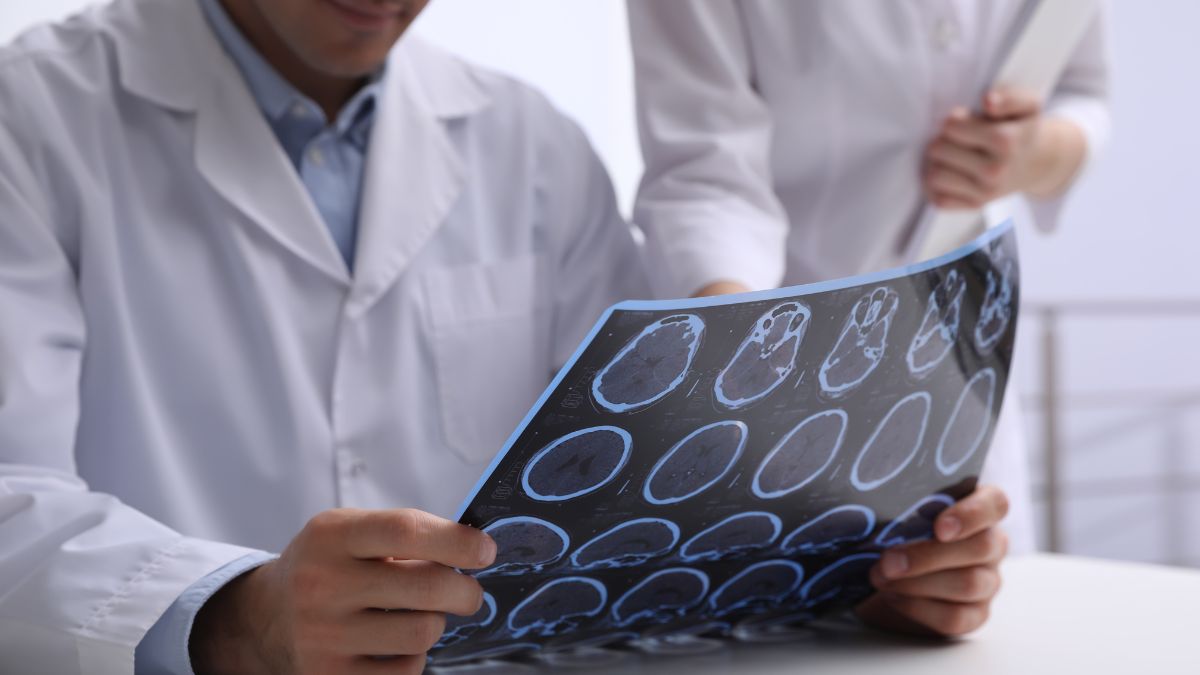
“This blog looks at the ongoing debates about imaging-based screening, including its pros and cons and moral issues.” It talks about how MRI imaging is used, when it should be utilized, and the risk of overdiagnosis or unneeded therapy in preventative healthcare.”
We at our company know how vital it is to stay up to date on the latest diagnostic tools especially when it comes to MRI imaging Los Angeles. Imaging-based screening has saved lives by finding problems early but the discussion about when how and what hazards it can pose is not easy. Let’s look more closely at this continuing medical controversy.
What Is Imaging-Based Screening?
Screening checks for disease in asymptomatic people. MRI, CT, mammography, and ultrasounds are employed for imaging-based screening. These tests can find early indicators of cancer problems with blood vessels, or brain diseases.
Unlike diagnostic imaging which investigates existing symptoms screening aims to find problems before they start. That is why the approach must be both cautious and informed.
Benefits of Imaging-Based Screening
Imaging screening can occasionally discover diseases early even before symptoms show up. This means that people can obtain help when they need it which could lead to better treatment outcomes and lower death rates for diseases like cancer heart disease and neurological issues. It gives precise pictures of the inside which helps with accurate diagnosis and individualized care.
When done right, screening has clear advantages:
Early Detection: MRI and other modalities can detect diseases at a stage when they’re more treatable.
Improved Outcomes: Early intervention often leads to better recovery.
Peace of Mind: For those with risk factors, negative screening results can provide reassurance.
Preventive Value: Imaging may identify risks that patients can address before they worsen.
For example, in some cases, MRI in Los Angeles has been instrumental in identifying silent aneurysms or early-stage cancer.
Why Is There Controversy?
A lot of individuals are talking about current screening, especially whole-body MRIs, since they are worried that false positives might lead to unnecessary tests, anxiety, and maybe too much treatment for “incidentalomas” (benign results). The cost plus the fact that there isn’t clear proof that it helps a lot of people who don’t have any symptoms make the issue even more controversial.
Despite the benefits, not all screening is beneficial. Some concerns include:
1. Overdiagnosis: Imaging may detect abnormalities that never cause harm. This can lead to stress unnecessary biopsies or treatments that are not needed.
2. False Positives and Negatives: No test is perfect. Imaging may suggest a problem that isn’t there or miss something serious. Either scenario can affect patient trust and outcomes.
3. Radiation Exposure: Although MRI imaging is radiation-free, other scans like CTs involve exposure. Repeated testing may increase risks over time.
4. Costs and Accessibility: Screening can be expensive. Some insurance plans won’t cover screenings unless medically justified. For patients, this becomes a barrier to care.
When Screening Makes Sense?
Our radiologists help patients assess when imaging makes sense. Here are times when screening is often recommended:
Family history of cancer or stroke
Genetic predisposition to certain diseases
Age-based guidelines (e.g. breast MRI after age 40 for high risk women)
Ongoing health concerns, even if asymptomatic
At MRI Los Angeles centers like ours, we don’t just image we guide. We help you determine when screening is right based on evidence and expert opinion.
The Role of MRI in Modern Screening
MRI plays a vital role in modern screening by offering detailed, radiation-free imaging of soft tissues. It helps find malignancies, neurological abnormalities and heart problems early on which greatly improves the chances of a good outcome and therapy.
MRI is especially useful for screening sensitive or high-risk areas:
Breast MRIs for women at higher risk for cancer
Brain MRIs for detecting early signs of neurological changes
Spinal MRIs for patients with hereditary conditions
Whole-body MRIs for general cancer screening in select patients
These applications show the power of MRI imaging, but they also require medical insight to avoid misuse.
A Balanced, Patient-First Approach
We prioritize education, transparency, and patient involvement. Our screening protocols are never one-size-fits-all. Every recommendation comes from a careful review of personal health history, risk factors, and a complete guide from Encino Open MRI.
We also coordinate with referring physicians to ensure screening complements, not replaces, comprehensive care.
Tips for Making the Right Decision
This part gives patients useful advice on how to make smart choices concerning imaging-based screening. It talks about important questions to ask your doctor how to assess risks and advantages and why it is important to know your own health needs and medical history.
If you’re considering imaging-based screening, ask yourself:
What condition are you screening for?
Do you have a family history or genetic risk?
Has a doctor recommended this based on your health profile?
Do the potential benefits outweigh the risks?
Our staff will always answer all your inquiries before starting.
Conclusion
Imaging based screening is a powerful medical tool but like any tool it must be used wisely. At Encino Open MRI we take pride in offering MRI imaging Los Angeles patients both clarity and care. By helping you understand when and why to screen we make sure you never feel rushed or confused.
We’re here to support your health decisions with evidence based recommendations advanced technology and a team that genuinely listens. If you are uncertain about whether imaging is the right step start by asking us. We will help you move forward with confidence.





One Comment