
RBI Lets the Rupee Breathe While Standing Guard Against Market Turmoil
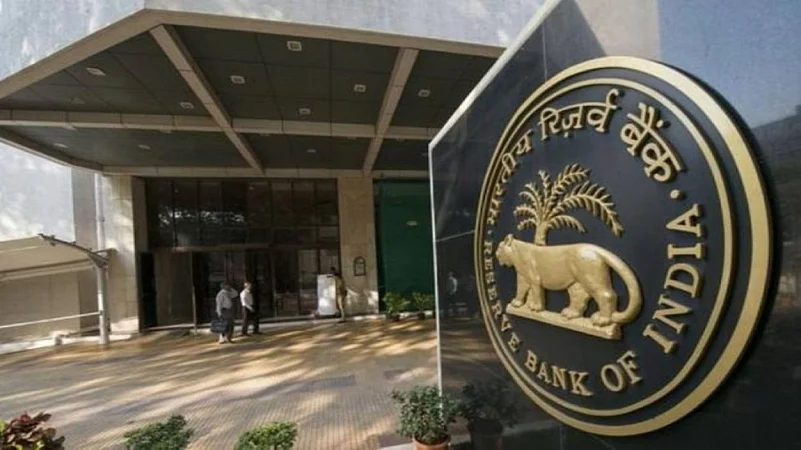
India’s central bank has made its position clear on how it plans to handle the movement of the rupee in global currency markets. The Reserve Bank of India has said it will not interfere in the rupee’s daily ups and downs. However it will step in firmly if market fluctuations become too extreme and start affecting economic stability.
This statement came from RBI Governor Shaktikanta Malhotra who stressed that a free moving currency reflects real market forces. According to him the central bank’s job is not to control every small change but to ensure that sudden shocks do not harm businesses, investors or the overall economy.
Why the Rupee Moves Every Day
The rupee, like other global currencies, changes value based on demand and supply. Several factors influence it such as oil prices foreign investment, global interest rates and political developments.
For example when foreign investors bring money into India the demand for rupees increases and the currency strengthens. When global uncertainty rises investors often pull money out and the rupee weakens. These movements are normal in a market driven economy.
The RBI believes allowing such natural movement helps the economy adjust better to global conditions. Constant interference could distort markets and create long term problems.
When Will RBI Step In
While daily movement is acceptable, excessive volatility is not. Volatility means sharp sudden swings that create panic or disrupt trade and investment.
Governor Malhotra explained that RBI will intervene when movements become disorderly. This could include sudden crashes or unusually rapid rises that do not match economic fundamentals.
In such situations the central bank may sell or buy dollars in the foreign exchange market to stabilize the rupee. This helps restore confidence and prevent economic stress.
Benefits of a Market Driven Rupee
Letting the rupee move freely has several advantages.
First it makes Indian exports more competitive when the currency weakens naturally. This can help boost manufacturing and job creation.
Second it encourages foreign investors to trust the market since prices reflect real conditions rather than artificial control.
Third it allows the economy to absorb global shocks smoothly instead of building pressure that could burst later.
By stepping in only during extreme volatility RBI aims to strike a balance between freedom and financial safety.
A Shift Toward Mature Financial Markets
This approach signals India’s growing confidence as a major economy. In earlier decades central banks often controlled currencies tightly to protect reserves. Today India has strong forex reserves and a more resilient financial system.
Allowing the rupee to respond to global forces shows that India is moving closer to advanced market practices while still keeping safeguards in place.
It also aligns with RBI’s long term goal of making Indian financial markets deeper more transparent and globally integrated.
What This Means for Common People
For everyday citizens small changes in the rupee usually do not have immediate impact. However large swings can affect fuel prices, imported goods travel costs and inflation.
RBI’s strategy aims to prevent such shocks. By avoiding daily control and stepping in during chaos it protects the economy without blocking growth.
This approach also helps businesses plan better since they operate in a more predictable market environment.
Looking Ahead
As global economies remain uncertain due to geopolitical tensions, inflation trends and interest rate shifts, currency markets will continue to fluctuate.
The RBI’s stance suggests that India is prepared to ride these waves calmly while keeping strong defenses ready.
Rather than fighting the market every day the central bank is choosing to act like a guardian stepping in only when stability is at risk.
Final Thoughts
RBI’s decision to let the rupee move freely while controlling extreme volatility reflects a smart and balanced monetary policy. It supports economic growth, market confidence and financial security all at once.
As India continues to strengthen its position in the global economy such mature policy approaches will play a major role in long term stability and prosperity. For more insightful and informative blogs on finance, technology, trending news, and lifestyle topics, visit The Colorful Dreams and stay updated with content that truly adds value to your knowledge.