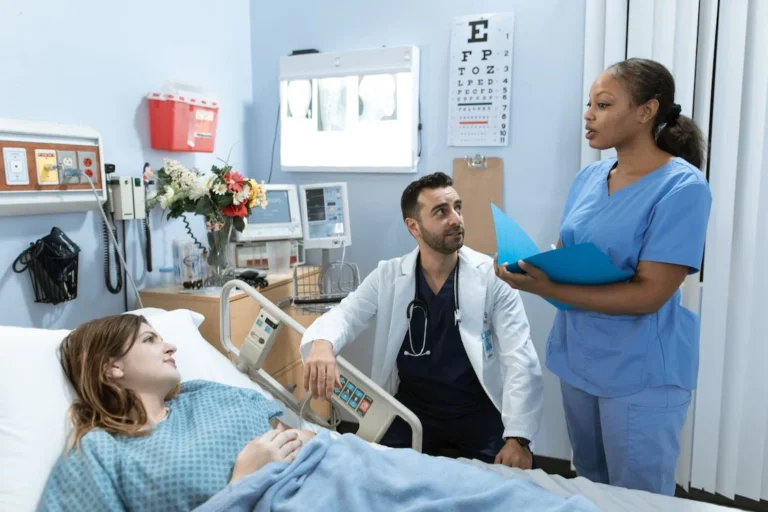
Online vs Offline Rehabilitation Exercise Courses: Which One Is Better?

Rehabilitation exercise courses help people recover from injuries, surgeries, and physical limitations. These courses teach proper movement, strengthening routines, and recovery techniques. Many professionals, including physiotherapists, fitness trainers, and caregivers, also take these courses to improve their skills.
Today, learners can choose between online rehabilitation exercise courses and offline classroom training. Each option offers different benefits, learning styles, and levels of flexibility.
So which option works better?
The answer depends on your goals, schedule, budget, and preferred learning method. This article compares both formats and helps you decide which one suits you best.
What Are Rehabilitation Exercise Courses?
Rehabilitation exercise courses teach safe and effective exercises that support recovery and physical function. These programs usually focus on:
- Injury recovery
- Muscle strengthening
- Joint mobility
- Post-surgery rehabilitation
- Pain reduction
- Movement correction
Students learn how to assess movement problems and apply corrective exercises. Some courses also include anatomy, biomechanics, and injury prevention.
Both online and offline programs offer certification, practical training, and course materials. However, the way students learn differs greatly.
What Are Online Rehabilitation Exercise Courses?
Online rehabilitation courses allow students to study through digital platforms. Students attend video lectures, read materials, and submit assignments through a website or learning system.
Many programs also include recorded lessons, downloadable resources, and live virtual classes.
Key Features of Online Courses
- Recorded video lessons
- Virtual classroom sessions
- Digital study materials
- Online assessments
- Self-paced learning options
Students can join courses from any location using a computer, tablet, or smartphone.
Benefits of Online Rehabilitation Courses
Online learning offers several advantages for modern learners.
Flexible Schedule
Online courses allow students to study at their own pace. Working professionals can learn during evenings or weekends without changing their daily routine.
This flexibility helps people balance education, work, and family responsibilities.
Lower Cost
Many online courses cost less than classroom training. Students save money on travel, accommodation, and printed materials.
Some platforms also offer payment plans or affordable subscription models.
Access to Global Instructors
Online programs connect students with instructors from different parts of the world. This allows learners to gain new perspectives and methods used in different rehabilitation practices.
Comfortable Learning Environment
Students can learn from home without commuting long distances. This creates a relaxed environment that many people prefer.
Limitations of Online Rehabilitation Courses
Despite the benefits, online learning has a few challenges.
Limited Hands-On Practice
Rehabilitation training often requires physical demonstration and practice. Online courses may provide video demonstrations, but students cannot always receive direct correction from instructors.
This may slow skill development.
Requires Self-Discipline
Online learning demands strong motivation. Students must manage their time and complete lessons without constant supervision.
Some learners struggle with this format.
Technical Issues
Internet connectivity, platform errors, or device problems can interrupt learning.
What Are Offline Rehabilitation Exercise Courses?
Offline courses take place in physical classrooms, training centers, or rehabilitation clinics. Students attend lectures, participate in workshops, and practice exercises under instructor supervision.
Many universities, physiotherapy institutes, and training academies offer these programs.
Key Features of Offline Courses
- In-person lectures
- Practical workshops
- Direct instructor guidance
- Hands-on demonstrations
- Group practice sessions
Students attend classes on scheduled days at a specific location.
Benefits of Offline Rehabilitation Courses
Here are key points on the Offline Benefits of Rehabilitation Courses:
Direct Practical Training
Rehabilitation exercises require precise movements and correct posture. Instructors can observe students and provide immediate corrections.
This direct feedback helps students improve quickly.
Strong Learning Structure
Classroom courses follow a fixed schedule. Students attend lectures, complete practice sessions, and participate in discussions regularly.
This structured system helps many learners stay focused.
Better Interaction with Instructors
Students can ask questions immediately during lectures or demonstrations. Teachers can also assess student progress more effectively.
Peer Learning Opportunities
Students learn alongside classmates with similar interests. Group activities and discussions create an interactive environment.
Many professionals build valuable networks through classroom programs.
Limitations of Offline Rehabilitation Courses
Offline courses also have some drawbacks.
Higher Cost
Classroom programs often cost more due to facility expenses, equipment, and instructor availability.
Students may also spend money on travel and accommodation.
Fixed Schedule
Offline training requires students to attend classes at specific times. This schedule may conflict with work or family responsibilities.
Location Limitations
Some learners may not have access to quality training centers nearby. Traveling long distances can become inconvenient.
Online vs Offline Rehabilitation Courses: Key Differences
Several factors help determine which format works best.
Learning Flexibility
Online courses provide greater flexibility. Students choose their learning time and progress at their own pace.
Offline courses follow fixed schedules and require physical attendance.
Practical Training
Offline programs usually offer better practical training. Students receive real-time feedback and hands-on experience.
Online courses may include demonstrations, but direct practice remains limited.
Cost Comparison
Online courses generally cost less because they do not require physical facilities. Offline programs include classroom expenses, equipment costs, and location fees.
Instructor Interaction
Offline training allows face-to-face communication. This helps students clarify doubts quickly.
Online courses often rely on emails, discussion boards, or scheduled virtual sessions.
Accessibility
Online courses allow students from any location to join. Offline programs depend on the availability of nearby training institutes.
Who Should Choose Online Rehabilitation Courses?
Online rehabilitation courses work well for certain types of learners.
You may prefer online learning if you:
- Work full-time and need flexible study hours
- Live far from training centers
- Want affordable learning options
- Prefer self-paced study
- Already have basic rehabilitation knowledge
Many professionals use online courses to upgrade their skills without leaving their jobs.
Who Should Choose Offline Rehabilitation Courses?
Offline training suits students who prefer direct interaction and practical instruction.
This format works best if you:
- Want intensive hands-on practice
- Learn better through physical demonstrations
- Prefer structured classroom environments
- Need close supervision from instructors
- Want networking opportunities with classmates
Students who plan to build careers in physiotherapy or rehabilitation training often benefit from classroom programs.
Can You Combine Both Learning Methods?
Many training providers now offer blended learning programs. These courses combine online theory with in-person practical sessions.
Students first study theory through online lectures. Later, they attend workshops or training camps for hands-on practice.
This approach offers flexibility while maintaining practical skill development.
Blended programs continue to gain popularity because they balance convenience and skill training.
Factors to Consider Before Choosing a Course
Before selecting an online or offline rehabilitation course, consider the following points.
Your Career Goals
If you plan to work directly with patients or clients, practical experience becomes very important.
Choose programs that include real exercise demonstrations and supervised practice.
Course Accreditation
Always check if the course comes from a recognized institution or professional body. Accredited programs add credibility to your certification.
Instructor Experience
Experienced instructors improve course quality. Check their qualifications and professional background.
Course Content
Review the syllabus carefully. Good rehabilitation programs include anatomy, exercise programming, injury management, and safety guidelines.
Learning Style
Some people learn better through videos and reading, while others prefer physical practice and group discussions.
Choose the format that matches your learning preference.
Final Thoughts
Both online and offline rehabilitation exercise courses offer valuable learning opportunities. The right choice depends on your goals, schedule, and preferred learning environment.
Online courses provide flexibility, lower costs, and global access to instructors. They work well for busy professionals and remote learners.
Offline courses provide stronger hands-on practice, direct feedback, and structured learning. They often suit students who want intensive practical training.
Many learners now choose blended programs that combine online study with in-person workshops.
Before making a decision, review course content, instructor qualifications, and training methods carefully. A well-designed rehabilitation course can improve your knowledge, develop practical skills, and support your career in health and fitness.