
Why Sticking-Free Serving Is Essential for Food Sales?
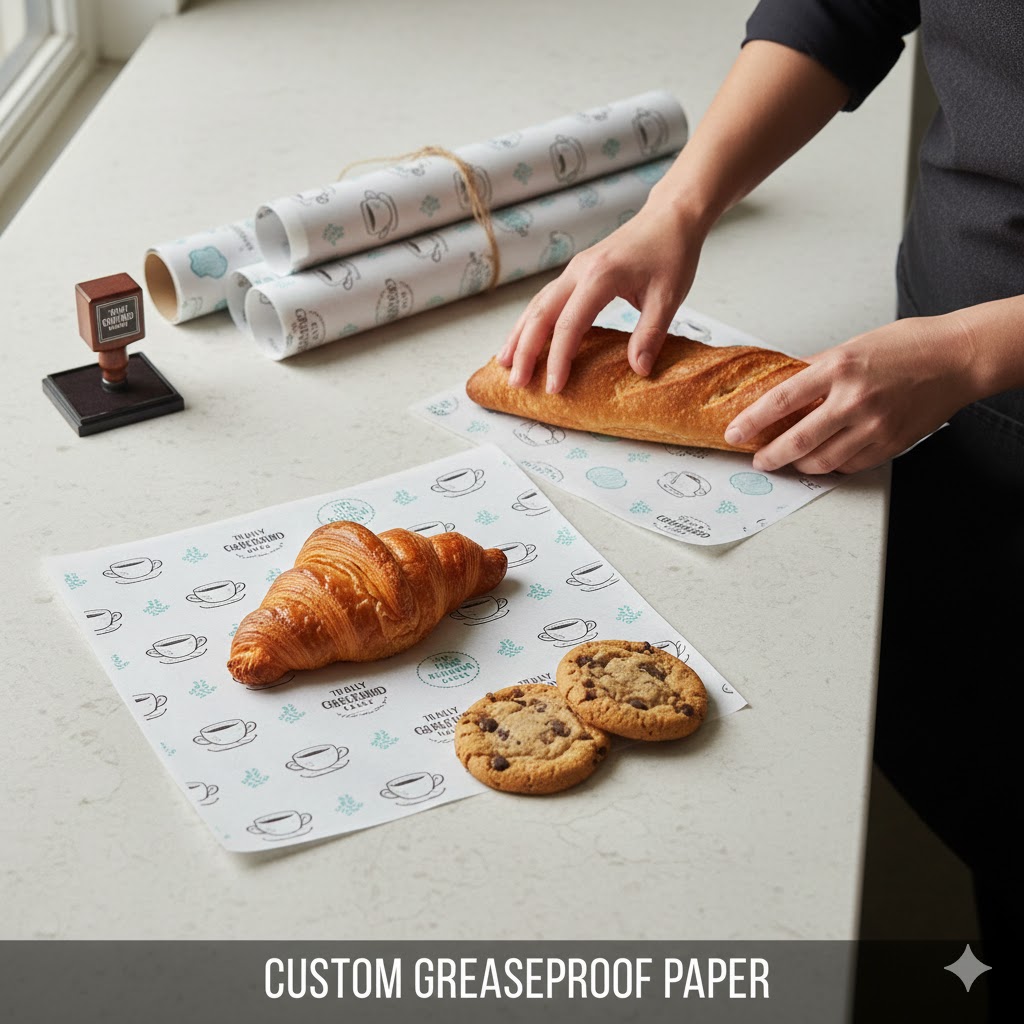
When food sticks to serving tools or plates, it can make even the most delicious meals feel disappointing. Imagine a customer at a café ordering a slice of cake, only to have half of it remain stuck on the plate. The customer may enjoy the taste, but the frustration of cleaning or scraping the food away can leave a negative impression. Sticking doesn’t just affect the immediate eating experience; it also impacts how people remember a brand or a restaurant. Studies have shown that diners often associate food presentation with quality. If food comes off smoothly and looks appealing, it automatically signals care and attention to detail.
How Can Non-Stick Serving Improve Repeat Sales?
Food that releases easily from serving tools creates seamless experience increasing likelihood that customers return. Smooth service reduces frustration making food enjoyable from first bite to last. Repeat sales depend on satisfaction and even minor inconvenience from sticky food can reduce chance of return. People prefer dining or takeout services that require minimal effort during consumption and businesses that recognize this preference gain advantage.
Non-stick serving enhances perception of reliability showing customers that care extends beyond preparation to service execution. food that arrives intact and manageable encourages patrons to trust quality consistently. Sticky sauces, fried items and desserts that resist clean serving often create negative impressions but businesses that address these challenges demonstrate thoughtfulness.
What Role Does Presentation Play in Perceived Quality?
Presentation strongly influences perception of quality, sometimes even more than flavor. food that maintains shape and appearance throughout serving appears careful and professional. When food sticks and breaks apart customers perceive service as less attentive which diminishes the value of the entire experience. Visual appeal contributes to enjoyment especially in settings where photography or sharing on social media occurs before consumption.
Ensuring that food releases cleanly supports consistent appearance allowing textures and layers to remain intact. Patrons notice these details and associate them with skill and attention, often remembering presentation more vividly than specific taste. Business practices that reduce sticking demonstrate understanding of customer expectations reinforcing a reputation for consistency.
Why Is Hygiene Linked to Sticking-Free Serving?
Sticky food can leave residues on utensils or plates creating perception of carelessness even when preparation follows safe standards. Customers may associate remaining food particles with lack of cleanliness raising concern about hygiene. Serving food that releases easily reduces unnecessary contact between hands tools and food minimizing chance of contamination and supporting safe handling practices.
Businesses prioritizing sticking-free service demonstrate attention to cleanliness improving customer confidence. Smooth transfer of food minimizes risk while promoting comfort during consumption. Customers respond to tactile and visual cleanliness often equating it with overall safety and professionalism. Reducing sticky residues prevents cross-contact between servings which is particularly important when managing multiple dishes or shared utensils.
How Does Non-Stick Service Reduce Waste?
Food that remains stuck to plates or utensils often becomes waste, increasing costs over time. Portions may be unevenly consumed leading to discarded servings and reduced efficiency. Non-stick service allows more complete consumption preserving food while supporting consistent delivery to customers. This approach is particularly valuable in settings where portion control matters and every serving has financial or operational implications.
Businesses implementing smooth service notice reduction in food loss improving efficiency without changing the preparation process. Adjustments such as managing moisture temperature or serving technique allow food to transfer cleanly to plates. Reduced waste directly affects profitability while customers consistently receive appropriate portions.
Why Do Customers Notice Small Serving Details?
Customers are sensitive to details that may appear minor to staff but influence overall perception strongly. Sticky food frustrates creating distraction from flavor and enjoyment. These subtle issues often dominate memory affecting willingness to return. Patrons notice small friction points during food from sticky sauces to residue clinging to utensils and form judgments based on experience rather than menu descriptions.
Businesses that reduce sticking demonstrate understanding of customer experience beyond preparation. Food that releases cleanly allows diners to focus on taste and texture creating a positive impression of reliability. Attention to these details strengthens trust and reinforces brand perception. Even small improvements contribute to memorable experiences encouraging recommendations and repeat visits.
How Can Smooth Serving Improve Food Reviews?
Customer reviews often highlight overall experience, not just flavor. Foods that arrive cleanly and handle easily receive higher ratings. Sticky food can generate negative feedback despite taste quality. Online and in-person impressions depend on seamless transfer which influences both perception and likelihood of recommendation.
Businesses focusing on sticking-free service gain advantage through positive commentary. Smooth serving reduces complaints improves ratings and reinforces reliability in customer eyes. Minor adjustments in technique or tools translate into stronger online presence attracting new patrons. Restaurants and food services with consistent performance benefit from trust created by frictionless serving.
What Makes Sticky Foods Hard to Serve?
Certain foods naturally cling due to moisture texture or temperature. Cheese sauces, glazes and caramel resist easy transfer creating challenges during service. Understanding causes of sticking allows businesses to adopt practices that prevent frustration.
Adjusting cooking process moisture levels or temperature management contributes to smooth handling. Staff training ensures consistent serving, reducing likelihood of errors during busy periods. Businesses that identify and address sticking sources operate efficiently maintaining customer satisfaction without altering taste. Knowledge of why food sticks allows application of practical solutions ensuring food arrives intact and enjoyable.
How Does Non-Stick Service Support Brand Reputation?
Brand reputation depends on customer perception of reliability and quality. Sticky food during service may suggest carelessness reducing confidence in business. Food that arrives cleanly reinforces professionalism and trust.
Businesses offering smooth serving demonstrate attentiveness to customer needs, strengthening loyalty. Customers recognize effort in handling food seamlessly associating the process with competence and consistency. Non-stick service promotes positive memory encouraging return visits and recommendations.
Why Should Small Businesses Care About Sticking Issues?
Small businesses and startups face heightened impact from minor service issues. Sticky food may discourage repeat visits and reduce positive promotion. Customers expect food to arrive manageable and simple to handle regardless of business size. Some brands use custom food paper to solve sticking issues.
Non-stick serving allows small businesses to demonstrate professionalism without significant investment. Simple adjustments in utensils temperature or moisture improve experience and build trust. Startups adopting smooth service gain competitive advantage fostering loyalty and encouraging recommendation. Positive customer experience drives growth reinforcing reputation even in challenging market conditions.
How Can Proper Serving Methods Save Time?
Sticky food increases the time required for staff to serve a slowing workflow. Additional effort to manage food reduces efficiency especially during peak periods. Serving that allows clean transfer speeds, benefiting staff and customers simultaneously.
Efficient service increases productivity while decreasing customer wait time. Employees can focus on interaction and service quality instead of correcting sticky servings. Even minor improvements in technique reduce cumulative time loss supporting smooth operation throughout the day.
What Tools Can Help Achieve Sticking-Free Serving?
Tools and methods can minimize sticking during service. Specific utensils temperature control and material choices improve transfer from preparation to plate.
One resource for businesses wanting to maintain smooth food handling is Wax Papers Hub, where entrepreneurs can purchase wholesale custom greaseproof paper to help in efficient, mess-free service. Custom wrapping paper provides hygiene and handling benefits for services of any scale. Combining practical methods with appropriate resources ensures food reaches customers without sticking. Staff efficiency improves while customer experience remains consistent creating a positive impression of competence and reliability.
Why Should Businesses Consider Customer Convenience?
Customer convenience is central to satisfaction and loyalty. food that is simple to handle, easy to eat and consistently increases confidence in choice of service. Sticky food introduces friction that undermines overall experience.
Businesses that prioritize ease of handling show attentiveness to practical needs supporting trust and satisfaction. Smooth service reduces accidental spills, simplifies consumption and aligns with expectations of modern diners. Staff training operational adjustments and resources from Wax Papers Hub boost reliability. Consistently convenient experience encourages repeat visits, recommendation and loyalty.